Design-Driven Educational Innovation

Research on stakeholder-centered school model innovation in an era of rapid technological change

Author: Alex Makosz
Focus Innovation Design
Year: 2021
"How can we enable schools to successfully adapt their educational models in an era of rapid, tech-driven change such that they improve their service to local stakeholders?"
Explore Research

Executive Summary

Understanding the challenge of educational adaptation in a rapidly changing world

🎯

Research Focus

Developing stakeholder-centered, design-driven methodology for leading school change and creating new K-12 educational models.

🌍

Global Context

Addressing macro changes in education including digitization, financialization, and policy alignment across international organizations.

🚀

Proposed Solution

A two-stage program connecting educational leaders with innovation communities to bridge knowledge gaps and support local model development.

Global Education Context

Three key forces reshaping the educational landscape

Global Policy Alignments

World Bank, OECD, ADB, World Economic Forum

Substantial alignment around shared visions including:

  • UN Sustainable Development Goals
  • Fourth Industrial Revolution concepts
  • Human capital development perspective
  • OECD PISA assessment legitimacy
4 Major Organizations Aligned

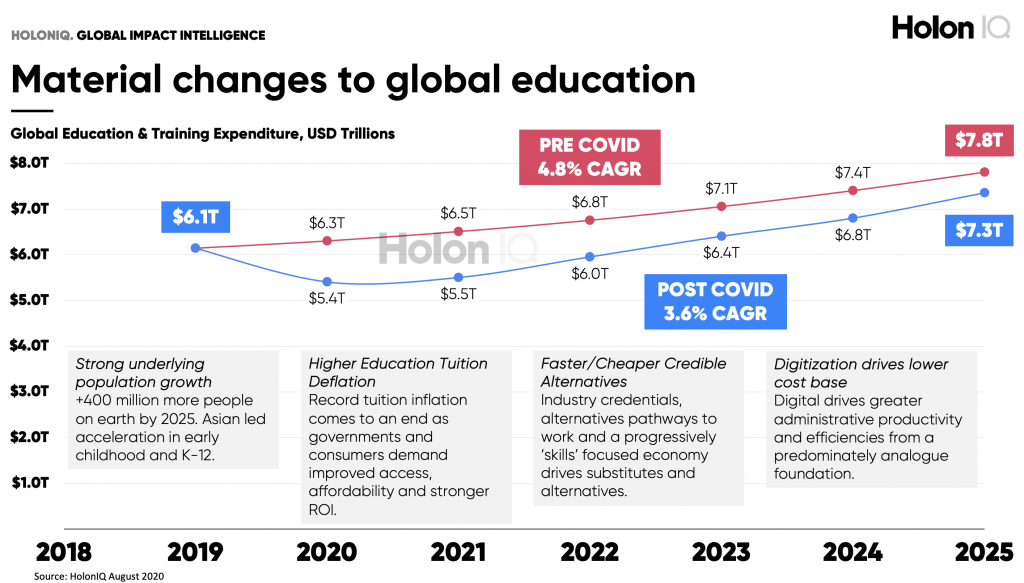
Digitization Impact

Technology reshaping education delivery

Key transformations include:

  • Power shift to edtech corporations
  • Governance by big data models
  • Surveillance capitalism concerns
  • Individualized learning profiles
Global EdTech Market Growth

Financialization Trends

Investment patterns in global education

CB Insights data reveals:

  • Expanding gap in internet vs. non-internet education financing
  • US and China dominate private financing
  • 22 edtech unicorns valued over $1B each
  • Combined value exceeding $64B
22 EdTech Unicorns
$64B+ Combined Value
Proposed Solution

A design-driven program for educational innovation

Program Vision

Develop a program to work with school and system leaders using design-driven, stakeholder-centered processes for local school/system model innovation. The program aims to bridge knowledge gaps and support schools in developing localized visions for the future of schooling.

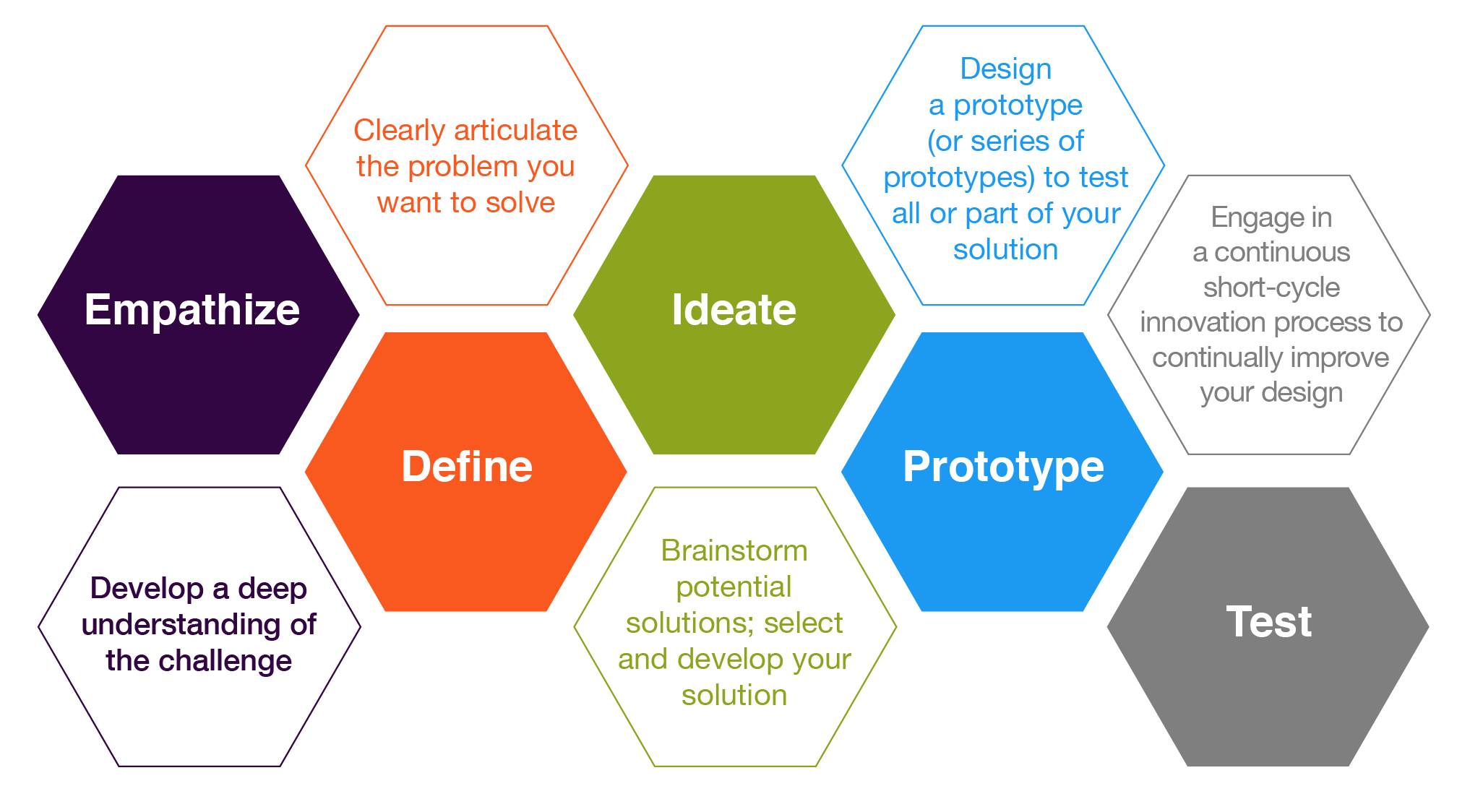
Design Methodology Appropriateness

Research Foundation

Literature review supports design methodologies for contexts requiring agility, capacity building, and protection of local educator decision-making.

Mintrop, Baral, Fullan, Bryk et al.
Design Thinking Process

Two-Stage Program Structure

1

Professional Learning & Design Process

  • Address knowledge gaps between local context and innovation communities
  • Guide leaders through design-driven processes
  • Work with local stakeholders on model innovation
  • Ongoing professional learning opportunities
2

Model Sharing & Network Expansion

  • Share and promote successful models widely
  • Support leaders in sharing learnings in professional networks
  • Create exemplars for other schools and contexts
  • Develop ongoing annual program operation

Research Framework

Hypotheses and methodological approaches

Research Hypotheses

Design Hypothesis

A program capable of substantially addressing identified needs can be achieved through engaging experts and partner organizations from industry and academia.

Key Assumptions:
  • Greater value through direct expert delivery
  • Enhanced legitimacy via expert engagement
  • Industry insight provides cutting-edge innovation access
  • Academic insight offers critical analysis for deeper understanding

Targeting Hypothesis

Program enactment achievable by targeting private IB schools in emerging markets of the Global South, particularly early years and primary levels.

Strategic Rationale:
  • IBO promotion of design-thinking approaches
  • Author's legitimacy in IB context
  • Alignment with IB educational values
  • Curricular flexibility in primary/middle programs
  • Global-minded, innovative positioning
  • Established regional communication channels

Success Conditions Framework

Key factors drawn from interest-based, institutional, and ideational approaches

Important Factors
Success Conditions
Approach
Background/Foreground Ideas
Seek contexts where background ideas align with program objectives
Ideational
Paradigms
Find alignment with dominant paradigm; avoid conflicts
Ideational
Stakeholder Interests
Ensure program serves key stakeholder interests
Interest-based
Institutional Capacity
Build on existing institutional strengths and capabilities
Institutional

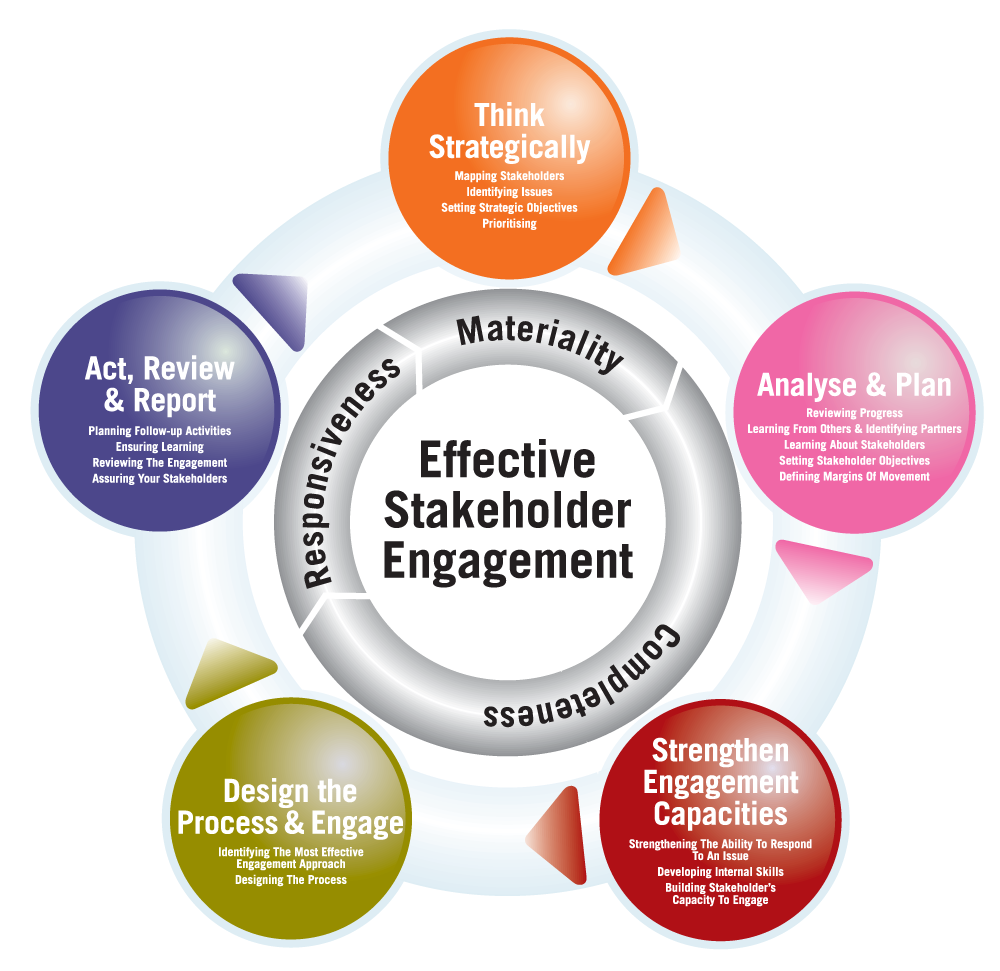
Stakeholder Engagement Framework

Effective stakeholder engagement is central to the proposed program's success. The framework emphasizes multi-level community relations and collaborative decision-making processes.

Policy Implications & Impact

Addressing power imbalances and promoting educational equity

Primary Policy Objectives

⚖️

Reduce Power Imbalances

Address the disparity between global education shapers and local educational leaders accountable to their communities.

📢

Elevate Local Innovation

Widely disseminate innovative models from the program to encourage awareness of diverse, locally-relevant approaches.

🌱

Inspire Broader Change

Provide exemplars for educational leaders and policy networks to leverage in reform efforts across various contexts.

Target Audience & Beneficiaries

Primary Audience

Forward-thinking school and system-level leaders seeking to adapt their educational models to better serve local stakeholders in a rapidly changing technological landscape.

Secondary Beneficiaries

  • Non-profit program developers facing similar design and launch challenges
  • For-profit organizations developing educational programs
  • Policy networks interested in educational reform
  • Community stakeholders seeking educational innovation

Potential Impact & Scale

Local Impact

Direct benefit to participating schools and their communities through improved educational models tailored to local needs and values.

Regional Influence

Demonstration effects across regional networks, particularly within IB school communities in emerging markets.

Global Potential

Contribution to broader discourse on educational innovation and stakeholder-centered design in education policy.

References & Citations

Academic sources and research foundations

This research builds upon extensive literature review and analysis of policy documents from major international organizations. Key citations and references from the original research include:

Design Methodology Research

  • Mintrop, R. - Design-driven school change processes and client-sensitive educational services
  • Baral - Stakeholder engagement research in educational leadership development
  • Fullan - School change and innovation research
  • Bryk et al. - Educational improvement and innovation frameworks

Global Education Analysis

  • World Bank - Education policy papers and future visions
  • OECD - PISA assessment frameworks and educational policy guidance
  • Asian Development Bank - Regional education development strategies
  • World Economic Forum - Fourth Industrial Revolution and education

Technology & Digitization

  • Hartong - Governance by big data in educational technology
  • Lee - Student learning profiles and surveillance capitalism in education
  • CB Insights - Investment database analysis of global education financing

International Frameworks

  • United Nations - Sustainable Development Goals (SDGs)
  • International Baccalaureate Organization - Design-thinking approaches in education
  • Various policy documents from emerging markets in the Global South

Research Context

This research note was completed in April 2021. The analysis incorporates data and policy reviews conducted throughout 2020-2021, with particular focus on the intersection of global education trends and local stakeholder needs.